

Cholecystectomy sounds a bit intimidating, doesn’t it? Almost like a spell from a wizarding world where gallbladders vanish in thin air. Fear not, this procedure, which involves the removal of the gallbladder, is quite common and often necessary. If you’re wondering how it works, who needs it, and what to expect during recovery, you’ve come to the right place. So, grab a comfy seat and let’s jump into everything you need to know about cholecystectomy.
Cholsectomy
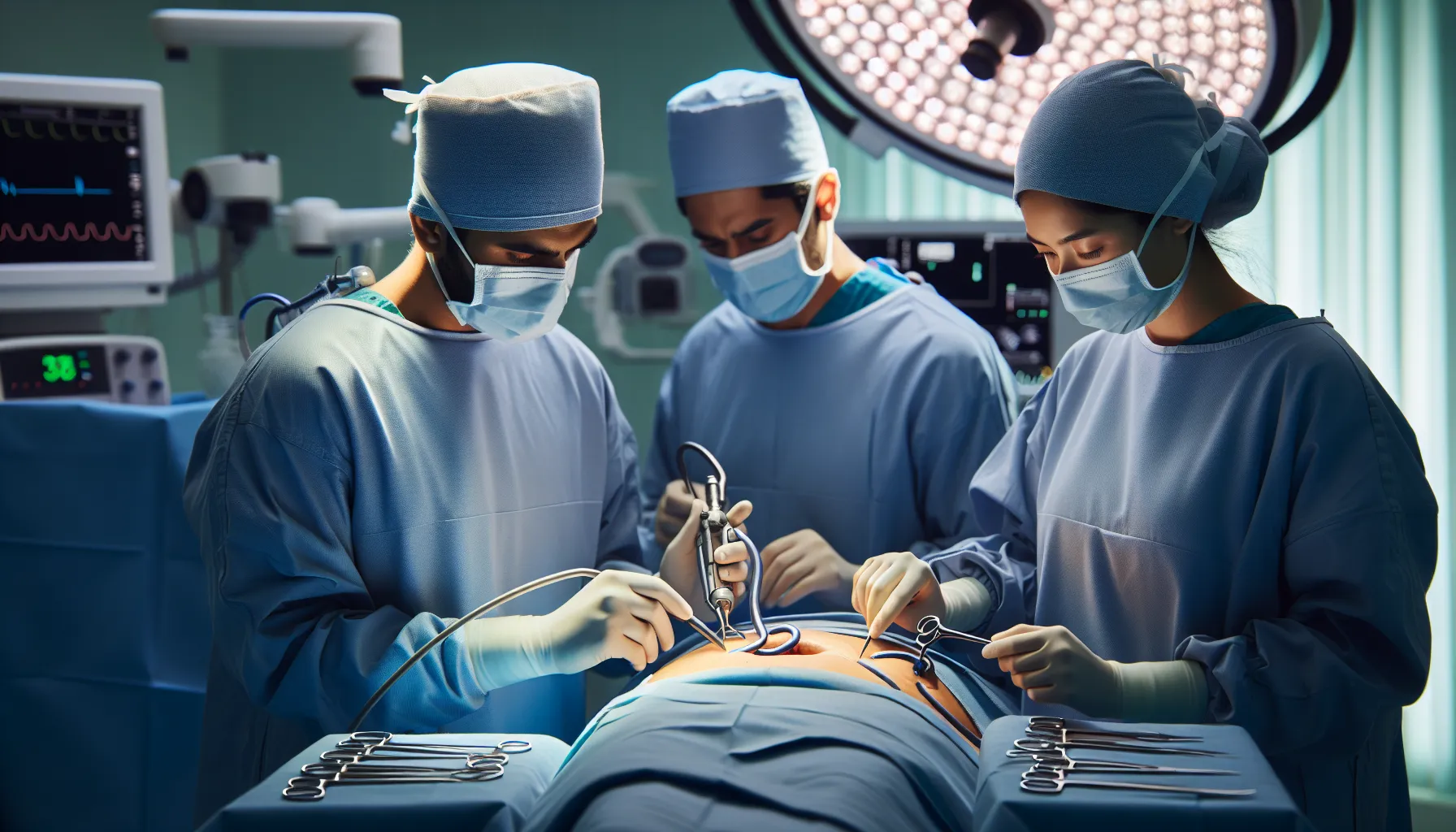
At its core, cholecystectomy refers to the surgical removal of the gallbladder, a small organ located beneath the liver. This little guy stores bile, which helps digest fats. You might think of it as a cluttered backpack that needs cleaning out sometimes. If the gallbladder becomes inflamed or filled with stones, it can lead to pain and other serious issues. That’s where cholecystectomy comes into play, removing that troublesome backpack for good.
Indications for Cholecystectomy
We often recommend cholecystectomy for patients experiencing gallstones, acute cholecystitis, or chronic gallbladder inflammation. If you’re having gallbladder attacks that feel like tiny ninjas battling in your abdomen, it’s time to consult a doctor. Other signs could include jaundice, nausea, vomiting, and unexplained abdominal cramps. Basically, if anything in your belly feels off, it’s a good idea to check in with a healthcare provider.
Types of Cholecystectomy
There are primarily two types of cholecystectomy we might perform: laparoscopic and open. Laparoscopic cholecystectomy is less invasive and uses tiny incisions, which leads to quicker recoveries and less scarring. It’s like using a needle instead of a hefty sword. On the flip side, an open cholecystectomy involves a larger incision and is often reserved for more complicated cases. We generally prefer the laparoscopic method when possible, as it’s like choosing a sports car over a bulky truck for a smooth ride.
Preparing for Cholecystectomy
Preparation is critical. Before surgery, we’ll usually ask you to fast for eight hours. This means no midnight snacks, which can be tough. We might also run a few diagnostic tests, like ultrasounds or MRIs, to confirm the gallbladder’s condition. As your date with surgery approaches, make sure you’ve got a trusted friend or family member to drive you home afterward, trust us, you’ll want that support.
The Cholecystectomy Procedure
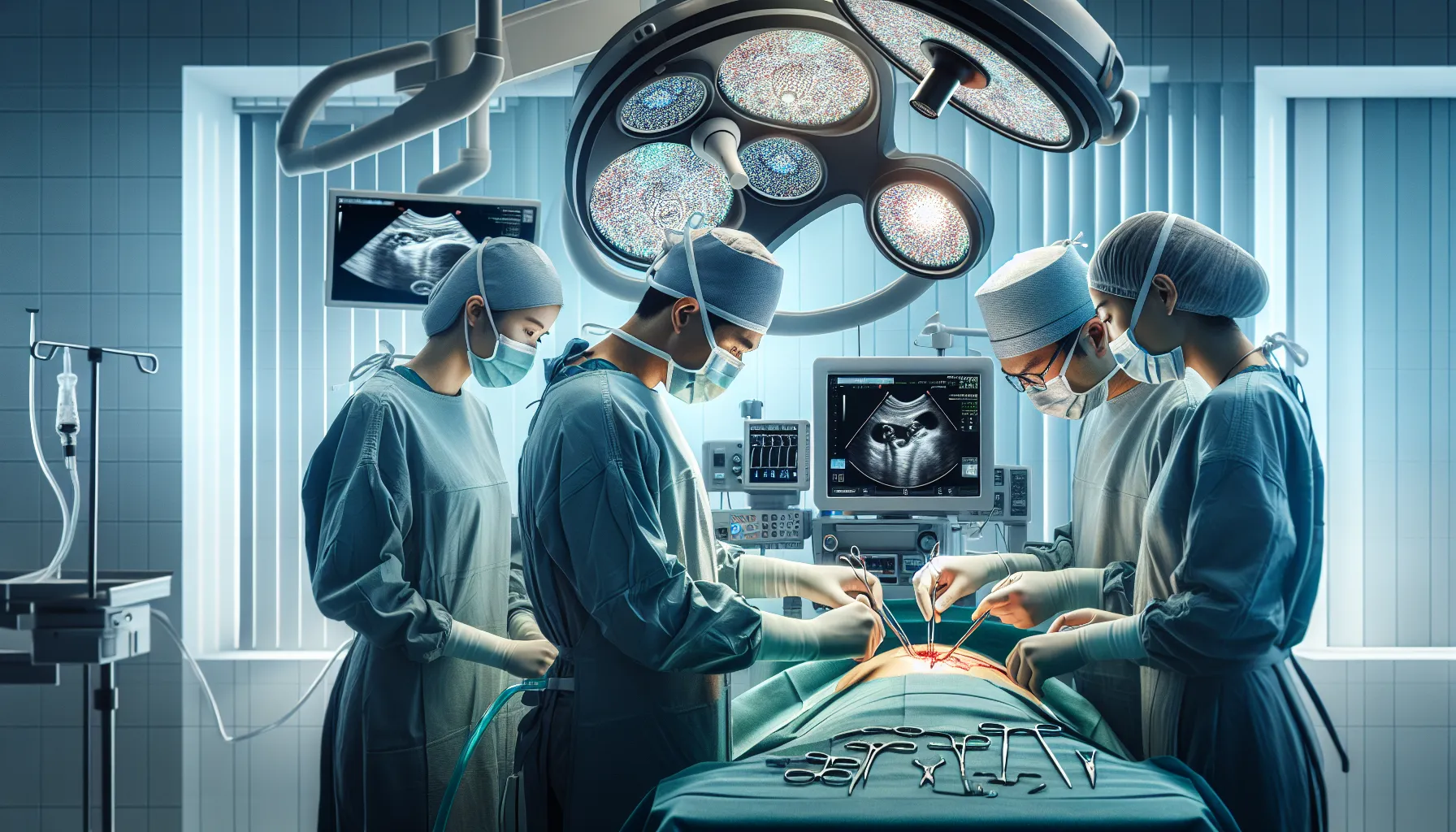
On the day of the procedure, you’ll be given anesthesia to keep you comfortable. If we’re going the laparoscopic route, several small incisions will be made in your abdomen, and then we’ll insert a camera and specialized instruments to remove the gallbladder. This step can feel like performing surgery with a remote control. For open cholecystectomy, we make a larger incision to access the area directly. Along the way, we’ll be careful to preserve the surrounding tissues to ensure everything else remains intact.
Recovery and Aftercare
After surgery, recovery usually takes a few weeks. In the first few days, rest is our best friend. You might feel some discomfort, but over-the-counter pain relievers can help ease that. Gradually, we’ll encourage a return to normal activities, but listen to your body, everyone heals at their own pace. It’s also crucial to maintain a balanced diet post-surgery: your digestive system may take some time to adjust without the gallbladder.
Potential Risks and Complications
As with any surgical procedure, cholecystectomy comes with its own set of risks. Some potential complications include infection, bleeding, or injury to surrounding organs. While these risks are usually low, we want to be transparent about them. After all, knowledge is power. It’s important to weigh the benefits of having this surgery against any potential downsides, though in most cases, the relief from pain is well worth it.
